
Most homeowners start a renovation project by staring at a chipped kitchen countertop or a sagging deck and thinking, “I’ll just use a credit card for that.” They don’t realize that a single HVAC replacement or a complete bathroom overhaul can easily send a household budget into a tailspin if the financing isn’t structured right from day one.
People often jump into high-interest debt because they want a quick fix. They want the new cabinets by next Tuesday. They forget that the cheapest money isn’t always the fastest money, and the fastest money often carries a heavy sting when those monthly statements arrive.
If you’re ready to pull the trigger on a major project, you have to understand exactly what kind of debt you’re taking on. It isn’t all the same. There’s a massive difference between a loan that uses your roof as collateral and one that relies solely on your ability to pay it back every month.
Unsecured vs. Secured: Choosing Your Financial Weapon
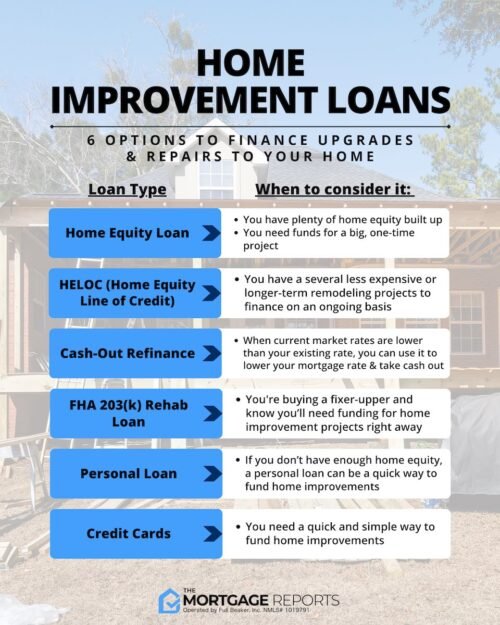
When people talk about home improvement financing, they often mix up several different products. At the most basic level, you have unsecured personal loans. These are the most common tool for anyone who wants to avoid risking their house. If you use an unsecured loan, you aren’t putting your property on the line as collateral. If you hit a rough patch, the lender can’t simply show up and take your kitchen cabinets.
On the flip side, you have secured options. This includes home equity loans or a home equity line of credit (HELOC). Because these are tied to your home’s value, the interest rates are typically lower, but the stakes are much higher. If you default on a HELOC, your house is in jeopardy. That’s a heavy weight to carry when you’re just trying to fix a leaky faucet.
Is it worth risking your equity to save a few percentage points on an interest rate? It depends on the size of the project and how much volatility you can personally handle. Many homeowners find that the simplicity of a personal loan outweighs the potential savings of a secured loan, especially for smaller upgrades like new siding or a fresh coat of paint.
It’s worth looking at the total cost of borrowing rather than just the monthly payment. A low monthly payment on a 72-month loan might feel good today, but you’ll end up paying significantly more over the life of that loan than you would with a shorter, more aggressive repayment schedule. Here are the common paths:
- Unsecured Personal Loans: Fast funding, no collateral needed, higher rates.
- HELOCs: Variable rates, draw funds as needed, uses home as collateral.
- Home Equity Loans: Fixed lump sum, fixed rates, uses home as collateral.
- Credit Cards: Immediate use, very high interest, best for tiny repairs.
The Mathematics of Home Value and Interest Rates
The timing of your loan matters as much as the amount. Rates fluctuate based on inflation data and Federal Reserve decisions, so a loan you take out in January might be significantly more expensive than one taken in June. This volatility makes it hard for contractors to give firm quotes, since your financing might change while you’re still in the bidding phase.
When you approach a lender, they aren’t just looking at your income. They look at your debt-to-income ratio, your credit score, and how much “skin in the game” you have. If you’re looking for specialized assistance or local options, checking with a provider like texasloanstoday.com can help you understand regional lending nuances that national banks often overlook.
One mistake I see constantly is borrowers failing to account for the “hidden” costs of renovation. It is rarely just the cost of the materials and the labor; there are permits, disposal fees, and the inevitable “while we’re at it” expenses that arise once the walls are opened up. You should aim to borrow roughly 20% more than your initial estimate to cover these contingencies.
Comparing different loan offers is the only way to ensure you aren’t getting fleeced. Look at the APR (Annual Percentage Rate) rather than just the interest rate. The APR includes the interest rate plus any origination fees or other costs required to get the loan, which is the only number that truly tells you the cost of the money.
| Feature | Unsecured Personal Loan | Home Equity Loan | Credit Card |
|---|---|---|---|
| Collateral | None | Your Home | None |
| Approval Speed | Fast (Days) | Slow (Weeks) | Instant |
| Interest Rate | Moderate | Lower | High |
| Best For | Mid-sized projects | Major renovations | Small repairs |
Navigating the Application and Avoiding Pitfalls
The application process is where many people lose their momentum. You might have a contractor ready to start on Monday, but a bank might take three weeks to verify your income and run your credit. This disconnect can lead to expensive delays or “change order” fees from your contractor because they can’t wait for your check to clear.
To avoid this, gather your paperwork before you even walk into a bank. You’ll need recent pay stubs, tax returns from the last two years, and a clear list of your current debts. Lenders love certainty. The more certain they are that you can pay them back, the better the terms they’ll offer. If your paperwork is a mess, expect them to hit you with a higher interest rate to compensate for the perceived risk.
Watch out for “pre-payment penalties.” This is a sneaky clause that some lenders include, which essentially charges you a fee if you try to pay the loan off early. If you get a bonus at work or receive an unexpected inheritance and want to wipe out that renovation debt, you shouldn’t be punished for being financially responsible. Always ask, “Is there a penalty for paying this off ahead of schedule?”
We have seen people get trapped in the “equity trap,” where they borrow so much against their home to pay for a kitchen that they end up owing more than the house is actually worth. This is known as being “underwater,” and it’s a nightmare if you ever need to sell your home unexpectedly. Always ensure your total debt, including the new loan, leaves you with a healthy cushion of equity.
Comparing Real-World Scenarios
Let’s look at a hypothetical $30,000 kitchen remodel. If you use a credit card with a 22% interest rate and only pay the minimum, you could end up paying back nearly $60,000 over several years. That is a massive waste of money that could have gone into your retirement fund or a college savings account.
Alternatively, a 5-year personal loan at 10% interest might cost you about $630 a month. It’s predictable, it’s manageable, and it has a clear end date. You can see the finish line. That psychological benefit of knowing exactly when you’ll be debt-free is often worth the slightly higher interest rate compared to a home equity line.
Many people find that comparing rates and terms across multiple lenders is the only way to find that sweet spot between monthly affordability and total interest paid. Don’t settle for the first offer your bank sends in the mail; they usually offer their least favorable rates to existing customers because they know you’re already in their ecosystem.
Before you sign anything, read the fine print regarding how the funds are disbursed. Some personal loans deposit the entire lump sum into your bank account, which gives you total control but also makes it very easy to spend the money on things that have nothing to do with your house. Other lenders may require you to provide receipts or may pay the contractor directly. This provides more security for the loan but requires much more administrative work from you.
If you decide to go the route of a personal loan, check if the lender offers any discounts for setting up automatic payments from your checking account. This can often shave a fraction of a percent off your rate, which adds up over several years.
Always get at least three written quotes from different contractors before you commit to a loan amount. You don’t want to be stuck with a $40,000 loan when the job only required $32,000.
A few things readers ask
Can I use a personal loan for home improvements?
Yes, personal loans are unsecured funds that can be used for any purpose, including home renovations and repairs.
Is a personal loan better than a home equity loan for remodeling?
Personal loans offer faster funding and easier approval, while home equity loans typically provide lower interest rates but require your home as collateral.
How much can I borrow for home improvement with a personal loan?
Loan amounts typically range from $1,000 to $50,000, depending on your credit score and income.
Will a personal loan affect my credit score?
Applying for a loan may cause a temporary dip due to a hard inquiry, but consistent on-time repayments can improve your score over time.
Are there tax benefits to using a personal loan for home repairs?
Generally, personal loans are not tax-deductible unless the funds are used specifically for certain types of home improvements that increase the property's basis.

