
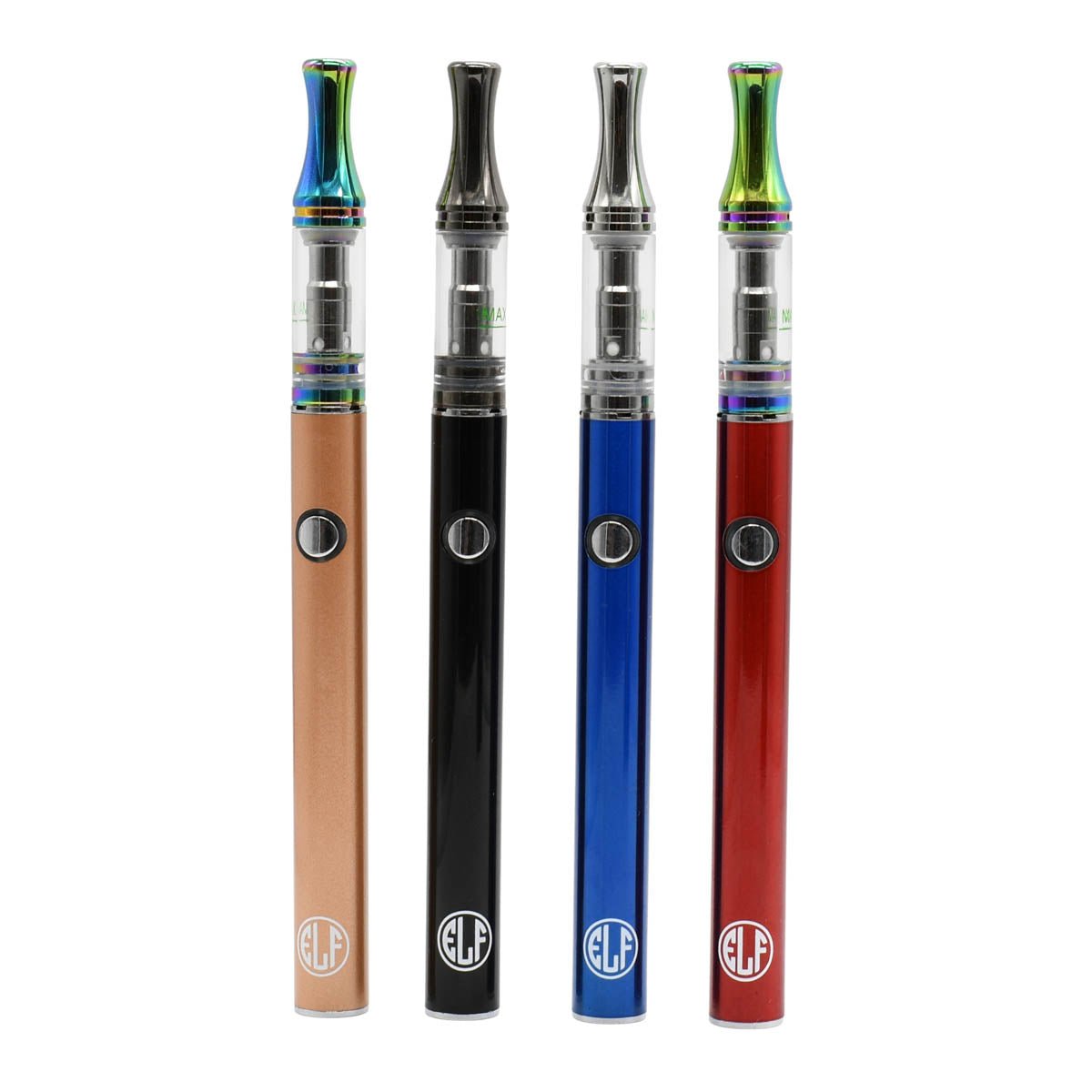
You’re sitting in a parked car, the heater humming against the winter chill, reaching into your pocket for that reliable cartridge, only to realize the battery you grabbed last night is dead or the connection has gone wonky.
The 510 thread battery is the universal standard for most modern cannabis and CBD cartridges. It uses a screw-on connection that relies on a single center pin to deliver electricity to the atomizer. If you want to get the most out of expensive distillate or live resin, your choice of battery matters. It dictates the temperature of the vapor and how long the coil lasts. A bad battery ruins good oil; a great battery makes a mediocre cartridge sing.
To get the best results, match your voltage settings to the specific viscosity of your oil. Low-viscosity oils like live resin need higher heat to vaporize. Thick distillates often need a preheat function just to get the oil flowing. It’s a simple piece of tech, but it governs the entire experience.
Voltage Control and Heat Management
Voltage is the most important variable here. When you turn the dial or press the button, you’re adjusting how much power hits the heating element in your cartridge. Too much power and you’ll scorch the oil, creating a burnt taste that lingers for days. Too little and the oil won’t vaporize, leaving you inhaling nothing but air and wasted product.
Modern devices have moved away from simple “on/off” buttons toward variable voltage control. This lets you dial in a specific temperature for different cartridges. A heavy, thick distillate might need higher voltage to break down, whereas a thin, runny, terpene-heavy oil might require a very low setting to prevent instant combustion. Choosing the right 510 thread vape pens and batteries means having that flexibility.
The trend for 2026 is clearly moving toward digital precision. The Neo, for example, provides five distinct variable voltage settings to give users granular control. It’s a massive leap from the old days of guessing based on how many times a button clicked. Precision matters.
If you’re using a cartridge with high terpene content, you’ll notice that higher heat can degrade the flavor. You want to find that “sweet spot” where the vapor is thick but the flavor stays true to the plant. It takes a little trial and error, but once you find it, you won’t go back to basic batteries.
Watch your settings. A single accidental high-voltage pull can burn out a coil instantly. It’s a common mistake.
Charging Standards and Battery Longevity
The days of carrying a specific micro-USB cable just for your vape are ending. The industry has mostly standardized around USB-C, which is faster and more durable than the older, fragile ports that used to break if you looked at them wrong. If you’re buying a new battery, make sure it uses USB-C so you aren’t carrying a mess of tangled cords. Fast charging is becoming standard, but charging a battery too quickly can lead to heat buildup that degrades the lithium-ion cell over time.
Capacity is the other side of the coin. A small, slim pen fits in a pocket easily, but it won’t last through a long evening. A larger, heavier battery might provide several days of use, but it’s a pain to carry. You have to weigh portability against runtime. Most people find that a mid-sized battery that supports USB-C provides the best balance.
The way a battery manages its internal discharge also impacts how long the device lasts. Some high-end models use advanced chipsets to ensure a steady stream of power, preventing that annoying phenomenon where your hits get weaker as the battery gets low. Consistent voltage is just as important as high capacity.
Check these common charging specs before you buy:
- USB-C: The modern standard for fast, reliable charging.
- USB-C Charging: Essential for modern device compatibility.
- Variable Voltage: Necessary for different oil viscosities.
- Preheat Function: Essential for thick distillates.
Don’t settle for a cheap, unbranded battery that gets hot to the touch while charging. That is a sign of poor internal regulation and a potential safety hazard.
Physical Design and Connectivity Reliability
Not all 510 connections are created equal. Even though they follow a standard thread, the physical construction of the pin and the tension of the spring inside the battery can vary. If the connection is too loose, you’ll get intermittent power, which is incredibly frustrating when you’re halfway through a hit. If it’s too tight, you might strip the threads on your cartridge, effectively ruining an expensive piece of glass.
The build quality of the threading is a major indicator of how long the device will stay functional. Some users prefer the classic “pen” style because it’s slim and discreet, while others opt for the “box” style for stability and digital screens. For example, the Cartisan Pro Pen utilizes a digital screen to show you exactly what your current settings are, removing the guesswork entirely. This is a big upgrade for anyone tired of counting button presses to figure out their voltage.
When looking for 510 thread vapes, consider how the device interacts with your lifestyle. A slim pen is great for a quick hit on the go, but a slightly larger device with a better grip is often more reliable for daily, heavy use. Some manufacturers even offer lifetime warranties on their hardware, which shows a lot of confidence in their mechanical reliability.
Consider the following hardware features:
| Feature | Benefit | Best For |
|---|---|---|
| Digital Screen | Visual voltage confirmation | Precision users |
| Preheat Mode | Thaws thick oil | Heavy distillates |
| Buttonless Design | Simplicity and stealth | Minimalists |
| USB-C Port | Fast charging/Durability | Everyone |
Reliability is everything. You don’t want to be searching for a screwdriver to tighten a loose pin in the middle of a social gathering.
Managing Different Oil Viscosities
The type of oil you put into your cartridge dictates what kind of battery you should be using. Not all “vape oil” is the same, and treating them all the same way is a recipe for wasted money. Distillate is the most common type; it’s thick, often very potent, and requires a bit more heat to get moving. It’s like trying to pour honey through a straw, it doesn’t want to flow without a little help.
Live resin and solventless oils are different beasts. They are much thinner and often contain a higher concentration of terpenes, which are highly volatile. If you hit these with too much voltage, you will instantly burn off the very flavor you paid a premium for. These oils require a delicate touch and a battery that can provide very low, stable voltage settings to ensure the experience remains as pure as possible.
CBD cartridges also fall into this category. Depending on the extraction method, they might be quite thick or relatively runny. If you are using your device primarily for CBD, you might want a battery that offers a wide range of settings to accommodate different botanical extracts. Some people find that a specific temperature helps them achieve the desired effect without the harshness of high-heat inhalation.
It is worth investing in a device that can handle the extremes. Whether you’re using a $10 basic pen from Mind Vapes or a high-end precision tool, the battery’s ability to manage these different viscosities is what determines your satisfaction. You don’t want to be stuck with a high-voltage-only battery when you’ve bought a high-quality, expensive live resin cart.
Don’t let a cheap battery ruin your expensive oil. Match your hardware to your concentrate.
But what if your cartridge still isn’t hitting even with a brand-new battery?
The issue is almost certainly a connection problem or a clogged airway. Before you throw the cartridge away, take a Q-tip with a tiny bit of isopropyl alcohol and clean the contact points on both the bottom of the cartridge and the top of the battery. Often, a microscopic layer of oil or debris is insulating the connection, preventing the electricity from reaching the heating element. If that doesn’t work, try a different battery; if the problem follows the cartridge, the coil inside the cartridge is faulty, and no amount of battery switching will fix it.

